I work across web, mobile, APIs, and cloud-hosted products, often in small teams where developers stay close to clients, stakeholders, and delivery. I am trusted with a high level of responsibility and autonomy, shaping the path as much as building the thing.
I learn best by making things. Over time that has pulled me into more than just writing code: shaping ideas, thinking through trade-offs, explaining options clearly, and staying close to the messy details that decide whether software actually works.
I have grown from hands-on delivery into a high-autonomy role in practice: making technical decisions, improving internal processes, guiding developers, and moving things forward without waiting for every answer to be handed down.
I prefer simple communication, practical decisions, and teams that care about the product as much as the implementation. The useful bit, for me, is being able to move from a high-level conversation into the code without losing context.
Interested in how user experience, server-side logic, data, APIs, infrastructure, and support all affect each other.
Taking responsibility for unclear problems, making decisions early enough to create momentum, and turning ambiguity into a sensible path forward.
Looking for places where the product, the code, or the way the team works can be made clearer, faster, or less fragile.
Not a full checklist of tools, but enough grounding to show the spaces I am comfortable working in and the problems I tend to enjoy.
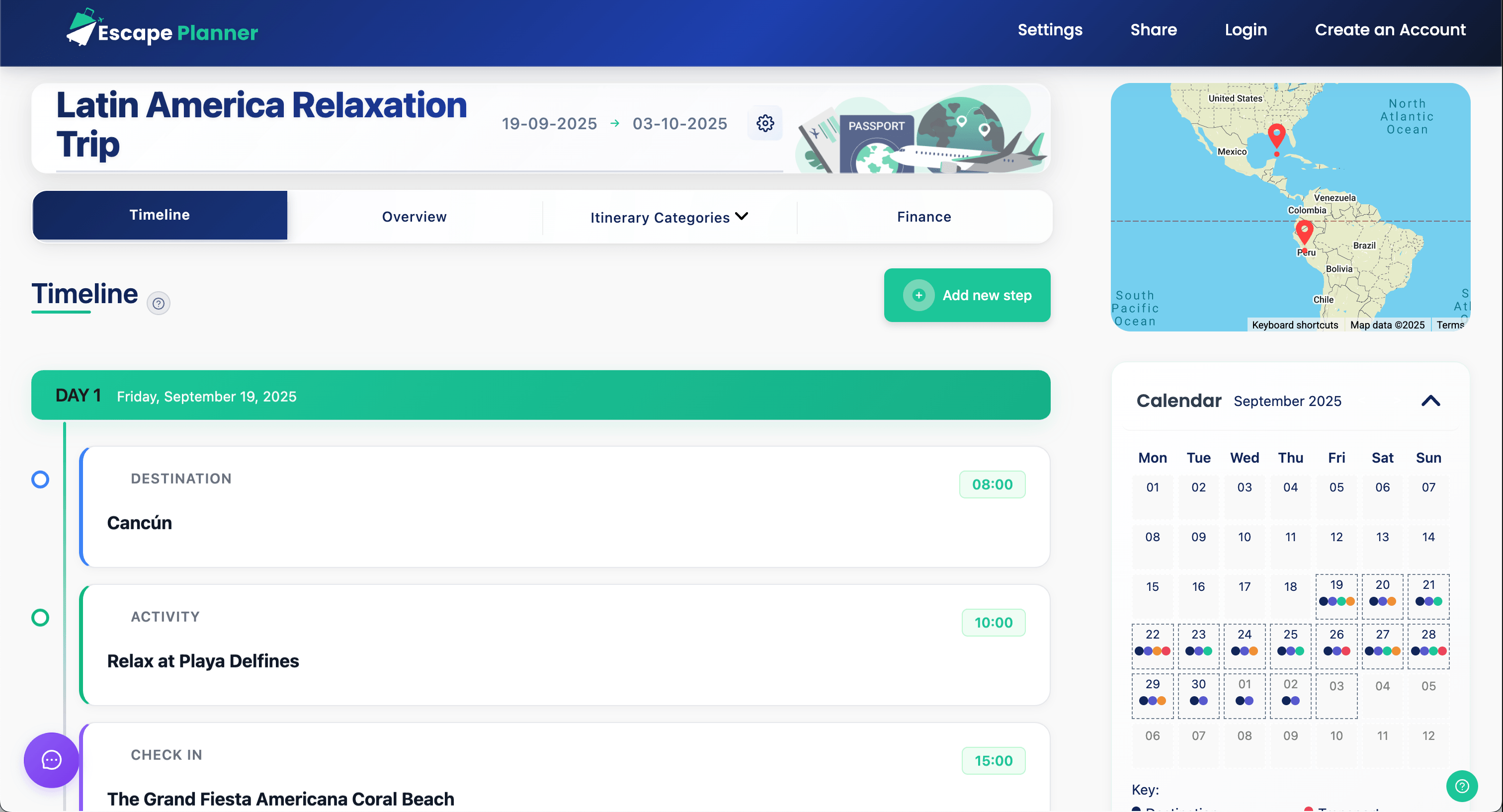
The aim here is to show the flavour of the work without turning private projects into public case studies. Escape Planner is included because it is public and personal.
A full-stack travel planning application exploring itinerary building, maps, external data providers, trip organisation, and deployment across the product.
Modern user experience, API-led architecture, infrastructure setup, and practical use of external places and travel data.
I often step into the early messy part of a project: understanding what matters, making the awkward decisions clearer, and turning loose requirements into something a team can actually build.
Clear options, sensible estimates, fewer surprises, and enough technical shape to start moving without waiting for perfect certainty.
I like being close enough to the whole product to understand how a decision in one layer affects the others, then guide the work so those decisions stay coherent.
Fewer handoff gaps, better debugging instincts, and practical decisions that fit the product rather than just one part of the stack.
I pay attention to the small systems around the work too: better estimates, useful automation, clearer demos, and tools that remove repeated effort.
Shaping processes and introducing better tools, including AI where it genuinely helps, to make teams faster and calmer without adding theatre.
I like hearing from people building thoughtful products, experimenting with useful tools, or thinking carefully about how software gets made.
LinkedIn is the easiest place to find me.
Connect on LinkedInProducts and teams where practical engineering, clear thinking, and useful momentum all matter.